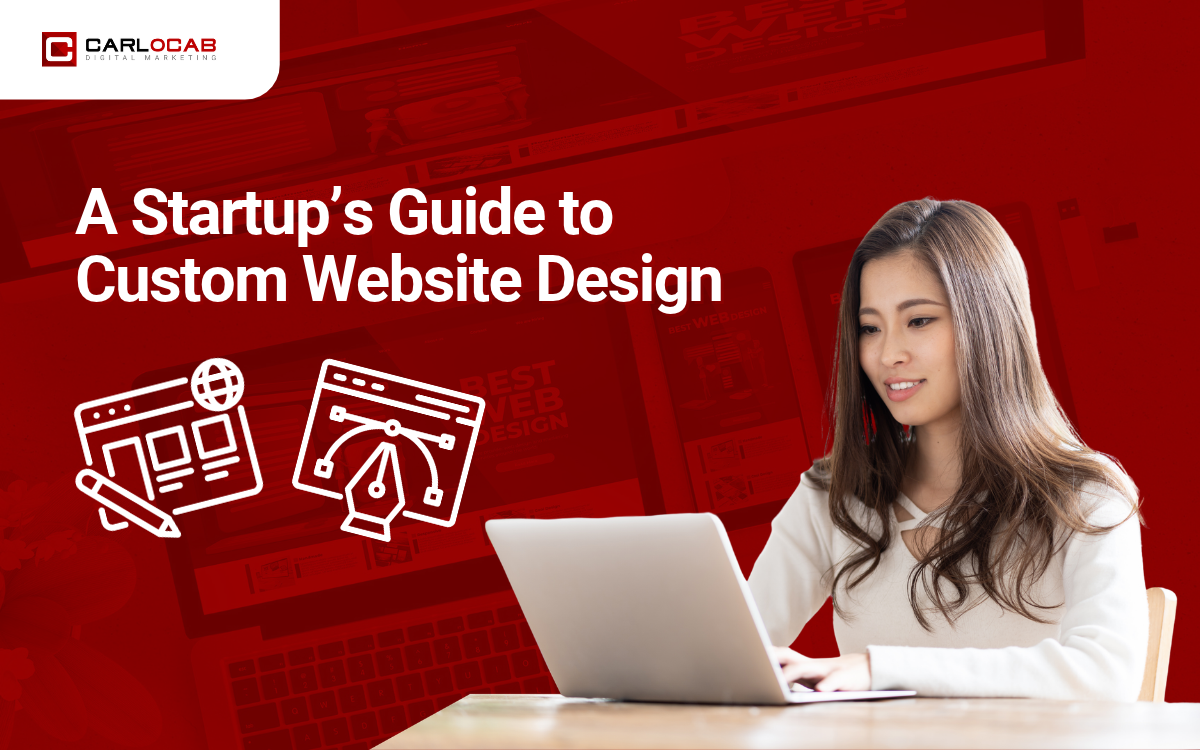
Custom Website Design for Startups: A Beginner’s Guide
Custom website design is one of the first big choices a startup makes when it goes online. Your website is often the first place people learn about your business, so it has to show who you are and what you offer in a way that is easy to understand. Many new founders feel unsure about where to begin, what to plan, and what to ask for.
What Custom Website Design Means
With a custom website design your site is built around your business, rather than copied from a ready-made layout. A designer designs the look, the pages and how visitors navigate your site, all based on your goals and your customers. No one has to be shoehorned into a pattern made for someone else.
This is not the same as using a template. A template is a pre-designed layout that you fill in with your own words and pictures. Templates can provide a quick start but many look like other sites and can be hard to change as your business grows. Custom websites, however, are built to fit your brand and evolve with you.
Why Startups Should Consider a Custom Site
Start-ups need to show a lot. People don’t know you yet because you’re new, and you only have a short time to earn their trust. It is harder to stand out if your site looks like all the other sites. A site that is made just for you will help you do that. A custom approach can help in the following ways.
A Look That Fits Your Brand
Colors, fonts, and pictures can all match your brand, which helps people remember you after they leave the page. Visitors will start to trust you and recognize your brand faster if all of your pages look like they belong to the same business. This is very helpful as you build your name.
Room to Grow
A site that was built for your plans can handle the changes you make without having to start from scratch. After this, you won’t have to rebuild the whole site every time your business grows. This saves you time and money.
A Better Experience for Visitors
Pages are built around the needs of your customers, so they can find answers and take actions more easily. When people can immediately see what you are offering and how to contact you, they are more likely to stay on your site and become paying customers.
Stronger Search Visibility
A site with a clean structure and fast loading times is easier for Google to read, which helps the right people find you. Over time, this can bring in more visitors who are already looking for what you sell, without you having to chase them with ads.
Signs You May Be Ready for a Custom Approach
Start-ups don’t always need a fully custom site from the start. Some start with a simple page and then move up when they have more money and a better idea of what they want to do. Even so, there are a few signs that it might be time to spend money on custom web design.
- Your Template Feels Limiting: You keep running into things you can’t change, like the layout, the forms, or the way pages connect to each other.
- You Want to Stand Out: Your competitors all look alike, and you want your business to feel different the moment someone lands on your page.
- You Need Special Features: Maybe you want online booking, a customer login, or a unique way to show off your products.
- Your Site Is Slow or Hard to Use: Visitors leave quickly, and you think the design itself is part of the reason.
How a Custom Website Gets Built
Knowing the steps helps you feel more in control. A solid custom website design process usually follows the path below, though the details can change from one team to another.
| Step | What Happens |
| Discovery | The team learns about your business, your customers, and your goals. This is where you share what you want the site to do. |
| Planning | Next comes a map of your pages and a plan for how they connect. Think of it as the blueprint of a house before any building starts. |
| Design | Designers create the look of your pages, including colors, fonts, images, and layout, and you get to review them and give feedback. |
| Development | Developers turn the design into a site that works on computers, phones, and tablets once it’s been approved. |
| Testing | Before anyone sees it, the team checks each page, link, and form to make sure it all works right. |
| Launch | From the time your site goes live until it’s fixed, the team will keep an eye on it. |
Features Every Startup Site Should Have
There are some things that all custom websites must have, no matter how unique they look. These basic things help people trust you and act.
- Mobile-Friendly Design: Most people browse on their phones, so you want your pages to look good and work well on small screens.
- Fast Loading Speed: When pages take too long to load, people leave. To keep this from happening, make sure that images and code load quickly.
- Clear Menus: Visitors should be able to find your services, prices, and contact details in just a click or two.
- Strong Calls to Action: Buttons like “Get a Quote” or “Book a Call” show people exactly what to do next.
- Easy Ways to Reach You: A contact form, phone number, and email address make it simple for people to get in touch.
Planning Your Budget and Timeline
It’s normal for founders to be worried about costs. Custom web design costs vary based on the number of pages you need, the features you want, and the amount of content you already have. A small site with fewer tools will usually cost less and take less time to make than a big site with lots of tools.
Startups usually don’t have a lot of money, so it’s best to focus on the most important things right now. To stay on track, try these ideas.
Start With the Essentials
Build the pages and features you need today, then add more as the business grows. This way, you can get your first launch easy and inexpensively, and learn from real visitors before you invest more in additional tools.
Prepare Your Content Early
Having your text, logo, and photos ready can save a lot of time and prevent delays. Designers can’t finish pages without them, so a little prep on your side helps the whole project move at a steady pace.
Ask for a Clear Scope
Know what is included, so there are no surprises half-way through the project. A written list of pages, features, and number of changes allowed will help keep both sides on the same page.
How Long Will It Take?
Most projects take weeks, and bigger ones take longer. Delays can be caused by many things, but one of the most common is waiting for approvals. This is why a custom website design project moves faster when everyone gives feedback on time.
Common Mistakes to Avoid
Even the best custom website design can fall short if a few common mistakes sneak in. Here are the ones to watch for.
- Trying to Do Too Much: Adding every idea at once makes the site confusing and slows down the launch, so focus on a clear message first.
- Ignoring Your Customers: Your site isn’t just for you, it’s for your customers. Consider what they are looking for and how they like to browse.
- Skipping SEO: A beautiful site that no one can find does not help. Search basics should be built in from the beginning, not added later.
- Forgetting Business Goals: Strong business web design connects every page to a goal, such as getting leads, selling products, or building trust.
- Choosing Based on Price Alone: If price is the only thing you consider, the cheapest choice might cost more in the long run if you need to fix or rebuild it.
How to Choose the Right Design Partner
Take your time because the team you choose will affect how your site looks. You should look for a company that has designed custom websites for businesses just like yours and can show you real examples of their work. Before you decide, here are some questions you might want to ask.
- Can I See Past Work? Examples of custom websites they have built show you their style and skill level.
- How Will We Communicate? Regular check-ins keep the project moving and help you stay in the loop.
- Will My Site Be Easy to Edit? You should be able to update simple things like text and photos on your own.
- Do You Offer Support After Launch? Help with fixes and updates is a big plus once your site is live.
FAQs
What is the difference between web design and web development?
Web design is what your website looks like. It includes the layout, colors, fonts, images, etc. Website development is about making that design work. It’s about taking the design and turning it into an actual site that loads, responds, and works correctly. You need both to build a site, and many teams do them together.
How often should a startup update or redesign its website?
It depends on how quickly your business changes, so there is no set time. A lot of small changes should happen, like new text, photos, and deals. It makes sense to do a bigger redesign when your brand changes, your goals change, or your site feels old or is hard to use.
Do startups still need a website if they already have social media pages?
Most of the time, yes. Social media is a great way to connect with people and get them interested, but you don’t have full control over them. Sites like websites give you a space where people can find out about you, trust you, and act. Having a custom website design also lets you make the experience fit your brand instead of someone else’s.
Ready to Build a Site That Fits Your Startup?
It’s important to make sure your website works well because it’s often the first thing a new customer sees. Custom web design can give your new business a strong online home that grows with you if you have the right plan and the right team.
Carl Ocab Digital Marketing Inc. helps businesses build websites that look good, work well, and are set up to be found online.
If you are ready to take the next step, reach out to our team today and let’s talk about what your startup needs.