
What is Content Creation?
Content creation is the strategic development and distribution of customized digital assets, such as videos, articles, graphics, and audio. These are intended to communicate meaningful messages to targeted audiences. In the Philippines, this practice has evolved from simple personal expression into a multi-billion-peso digital marketing economy. Today, local brands and creative agencies heavily rely on content creation to anchor their online visibility, establish consumer confidence, and drive corporate growth.
What Does Content Creation in the Philippines Look Like?
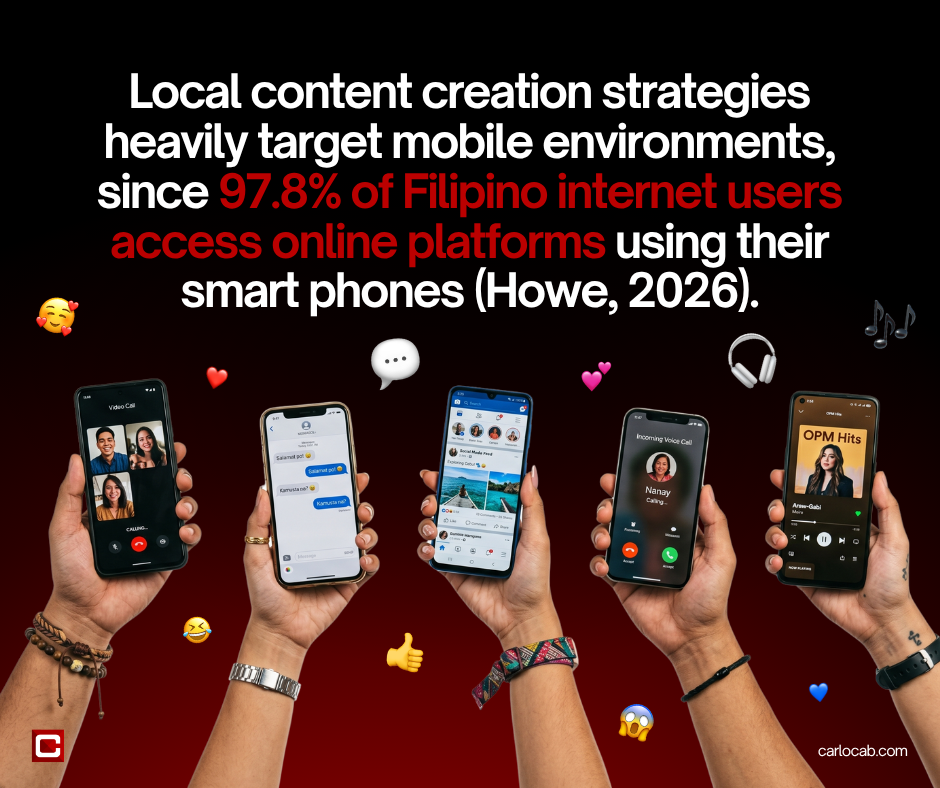
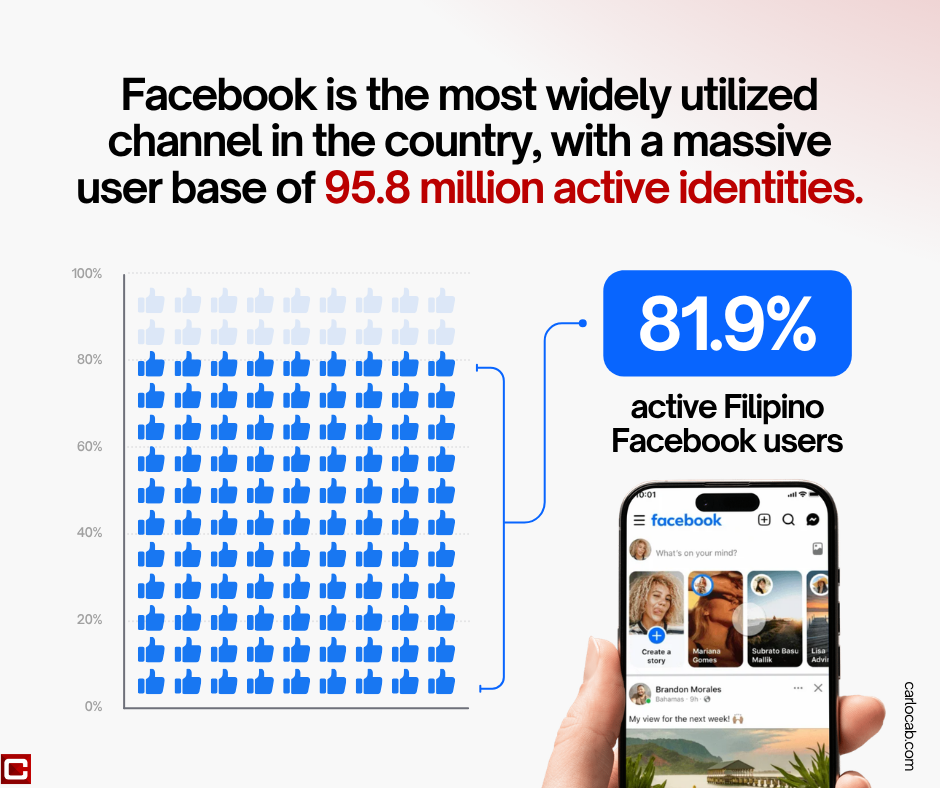
The modern Philippine market features an exceptionally high concentration of internet engagement, making strategic media deployment a fundamental business requirement rather than a secondary option. Recent data reveals that the country hosts approximately 95.8 million active social media user identities, which represents an impressive 81.9% of the total national population (Kemp, 2025). Local content creation strategies heavily target mobile environments, since 97.8% of Filipino internet users access online platforms using their smart phones (Howe, 2026).
Furthermore, brands have adjusted their financial priorities to mirror these usage habits; digital media investment now accounts for 60% of all advertising expenditures nationwide, with businesses allocating USD 679 million annually specifically toward social media promotional materials (Howe, 2026).
The Different Types of Content Creation
The modern digital ecosystem demands a multi-channel approach to visibility. To successfully execute an effective content creation strategy in the Philippines, brands have to start diversifying their content to align with localized user behaviors. Filipinos are among the most active digital citizens globally, spending an average of 4.8 hours daily on social media (Howe, 2026). Rather than relying on a single medium, modern digital execution in the country is categorized into distinct, functional content models that maximize multi-channel reach.
Social Media Micro-Content
Social media micro-content consists of short-form text, graphic assets, and brief updates tailored for fast and immediate consumption on social media apps like Facebook and Instagram. In the Philippines, this format is the primary driver of daily brand awareness. Data shows that Facebook is the most widely utilized channel in the country, with a massive user base of 95.8 million active identities. This translates to 81.9% of the total national population (Kemp, 2026). Creators use this format to deliver instant value, spark shares, and maintain consistent visual touchpoints in crowded social feeds.
Short-Form Mobile Video Production
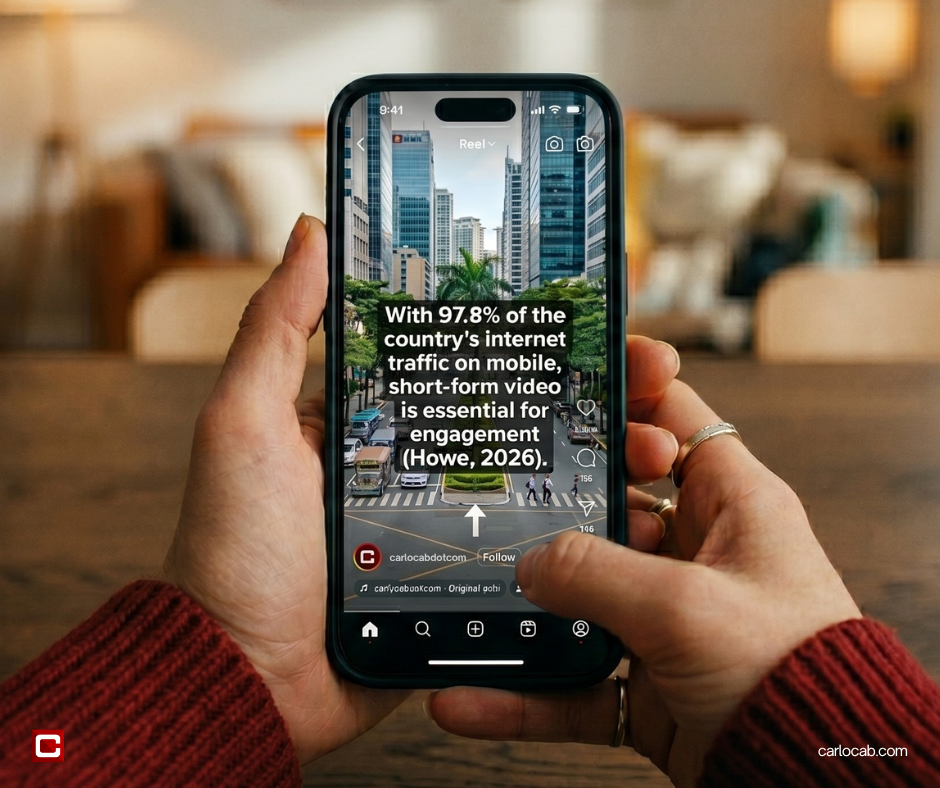
This type of creation focuses on producing vertical videos under 90 seconds, primarily for TikTok, Instagram Reels, and YouTube Shorts. Because mobile access accounts for a dominant 97.8% of all internet traffic in the country, short-form video has become an essential engagement tool (Howe, 2026).
TikTok has secured a major foothold in the market, with 82.2% of internet users using the app regularly to discover entertaining, creator-led content (Howe, 2026). This format uses humor, local storytelling, and casual presentation to turn passive viewers into active community followers.
SEO Blogging
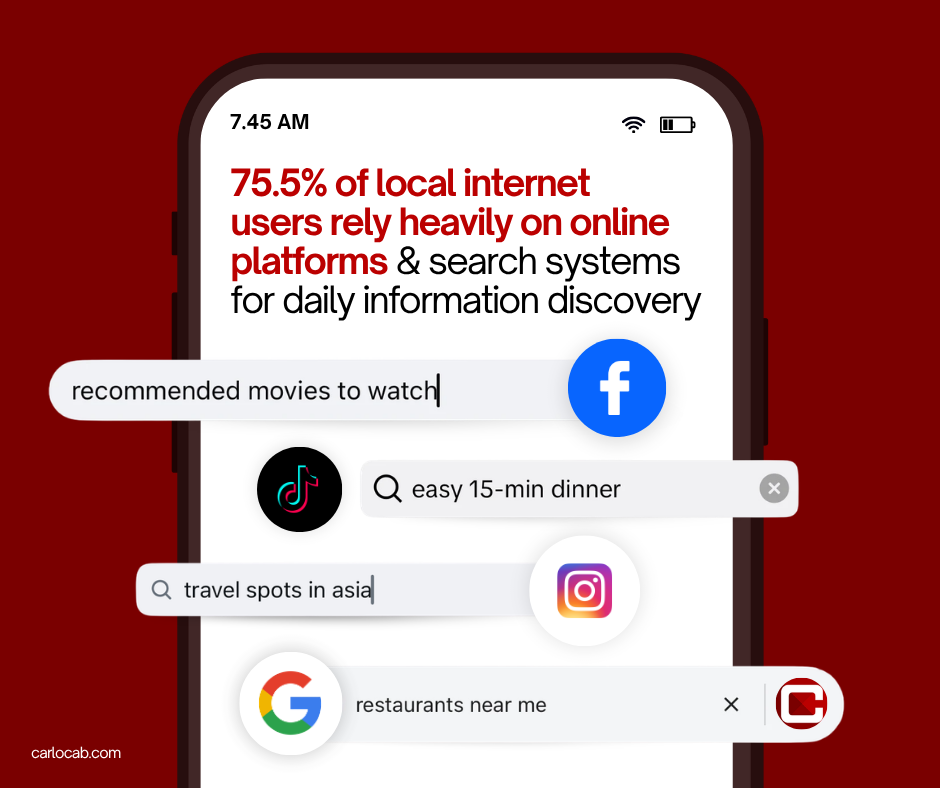
SEO blogging involves writing data-backed, long-form articles published directly on a brand’s own website. The objective is to rank on Google search engine results pages when consumers search for specific information. This is a highly strategic format in the Philippines, as 75.5% of local internet users rely heavily on online platforms and search systems for daily information discovery (Howe, 2026).
To maximize traffic, local SEO writers often implement a bilingual strategy; using a combination of English and Tagalog (commonly known as Taglish) in blog topics can drive up to 80% more search traffic compared to writing in purely formal Filipino vocabulary (AppLabx, 2025).
Influencer Marketing Campaigns
Influencer marketing involves collaborating with independent digital personalities, vloggers, and taste-makers to review or promote products. Instead of releasing corporate, direct-sale advertisements, brands leverage the pre-existing trust these creators have established with their audiences.
User-Generated Content (UGC)
User-generated content is organic media—product unboxing videos, e-commerce platform video reviews, and testimonials—created directly by everyday consumers rather than the brand itself. UGC acts as strong, unbiased social proof that guides local purchasing paths.
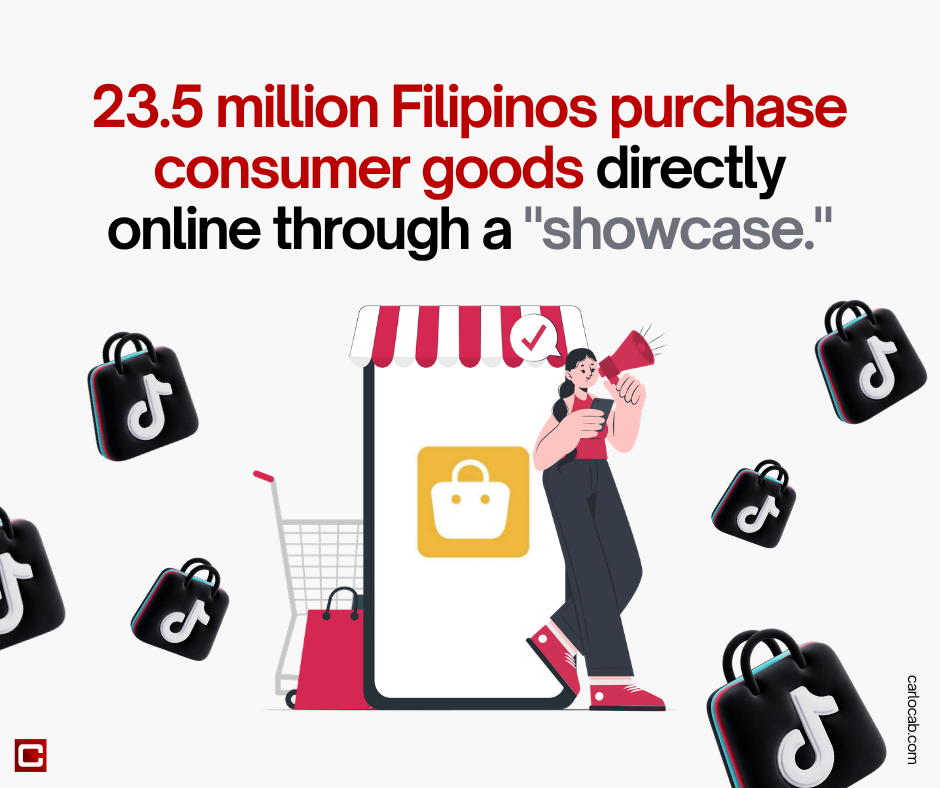
The impact of UGC is connected to the rapid rise of social commerce across the country, where 23.5 million Filipinos purchase consumer goods directly online—like TikTok’s “showcase” or “yellow basket,” amounting to about USD 14.0 billion spent annually (Howe, 2026).
Guest Posting
Guest posting is a digital marketing practice of creating high-value, informative articles and publishing them on authoritative third-party websites instead of your own domain. This style of content creation achieves two key business goals: 1) it introduces a brand’s expertise to an entirely new, built-in audience, and 2) it secures premium backlink profiles.
In technical digital marketing, these external link citations indicate to search engines that your website is a highly credible source, which positively impacts organic visibility and long-term search rankings.
E-Commerce Product Copywriting
E-commerce copywriting refers to the creation of optimized product titles, informative descriptions, and feature lists designed specifically for online marketplaces and brand store pages. This is a special type of content creation that focuses more on conversion, removing friction from the whole online shopping experience.
The Challenge in Making Engaging Content
Producing impactful media for the Philippine audience requires navigating an overstimulated digital market. While the local population is highly online, creating material that truly cuts through the noise still comes with a few hurdles.
Market Saturation
The largest obstacle for local creators is breaking through an intensely crowded digital environment. Because the Philippines features 95.8 million active social media profiles, audiences are constantly flooded with media options (Kemp, 2025). This vast amount of daily uploads causes algorithm exhaustion and severely reduces consumer attention spans.
Hyper-Competitive Audience Dynamics
Attracting a viewer’s eye requires competing against massive global and local entertainment networks. This friction is highly visible on short-form applications; the typical Filipino internet user now spends an average of 40 hours and 39 minutes every single month browsing through TikTok alone (Howe, 2026). In turn, brands have to constantly alter their styles just to stay relevant.
Infrastructure Limitations
Technical obstacles also significantly slow down high-quality production for independent creators outside the big cities. While urban zones utilize high-speed connections, the national median mobile download speed sits at 59.64 Mbps, forcing developers to balance video resolutions with local data consumption habits (Kemp, 2025).
How Does Content Creation Boost Brand Credibility and Sales?
Establishing Market Trust and Authority
High-quality, helpful media shifts local consumer perception from skepticism to long-term trust. By creating valuable articles or videos that resolve common customer queries, brands convert casual searchers into brand advocates.
This strategy directly addresses the primary factors that encourage online transactions among Filipino buyers; according to recent market tracking, clear customer reviews and descriptive product documentation rank as a top-three purchase driver, influencing local digital shoppers (Kemp, 2026).
Driving High-Value E-Commerce Conversions
Structured digital storytelling translates directly into measurable revenue growth. Content creation removes friction across the online shopping journey, guiding consumers seamlessly toward the checkout page. This digital pipeline is very profitable, where the active online consumer base currently spends a collective $14.0 billion USD annually on consumer goods (Kemp, 2026).
Optimizing Mobile Commerce Revenue
Tailoring creative assets specifically for smartphone displays directly maximizes retail return on investment (ROI). Because local consumer behaviors are heavily tethered to handheld devices, clear product copywriting and responsive layouts prevent cart abandonment. This strategic formatting is very important for operational scaling, given that a dominant number of all e-commerce transactions in the country are done in smartphones (Kemp, 2026).
Capturing Intent-Driven Consumer Discovery
Consistent content production functions as the primary mechanism for brand discovery in the local market. When businesses publish highly optimized informational material, they position themselves directly in front of active buyers.
Data indicates that a resounding 72.3% of internet users in the Philippines aged 16 and above rely explicitly on social media and digital platforms to research products, brands, and services they are actively considering for purchase (Tayco, 2026).
FAQs
What is content creation for marketing?
Content creation for marketing is the strategic process of developing and distributing informative, relevant media—such as articles, videos, or social posts—specifically designed to attract a target audience, build brand trust, and drive profitable consumer action.
What is content creation for marketing?
An example of content creation is a company publishing a weekly search-optimized blog post that answers common customer questions. However, it can also be an influencer producing a 60 to 90-second video on TikTok demonstrating how to use a specific product.
What is the 3-3-3 rule in marketing?
The 3-3-3 rule focuses on capturing audience attention in stages: you have 3 seconds to catch a user’s eye with a hook, 3 seconds to deliver your core message, and 3 minutes to deeply engage them or guide them toward a specific call to action.
Start Creating High-Impact Content with CODM
Ready to scale your digital presence? Navigating market saturation requires an effective strategy. Partner with Carl Ocab Digital Marketing for targeted SEO blogging, premium guest posting, and viral short-form video.
Our team transforms crowded digital feeds into profitable customer pipelines, building absolute authority for your brand. Contact us today to dominate the local Philippine market with a content creation strategy that converts!
References:
AppLabx (2025). Top 100 Latest SEO in the Philippines Statistics, Data, and Trends. Referenced from: https://blog.applabx.com/top-100-latest-seo-in-the-philippines-statistics-data-trends/
Ardent Communications (2026). Social Media Shifts That Will Redefine Your Strategy This 2026. Referenced from: https://ardent.com.ph/social-media-shifts-that-will-redefine-your-strategy-this-2026/
DataReportal (2025). Digital 2025: The Philippines. Referenced from: https://datareportal.com/reports/digital-2026-philippines
Meltwater (2026). Social Media Statistics for the Philippines. Referenced from: https://www.meltwater.com/en/blog/social-media-statistics-philippines