

Why Is an Online Presence Crucial for Real Estate?
An online presence is how your real estate business looks and operates on the web. This includes its website, search engine visibility, property listings, social media platforms, online advertisements, customer reviews and overall digital branding. In the modern-day marketplace, a strong online presence is the currency of how quickly potential buyers, sellers and investors can find and trust a real estate company.
Modern home buyers and property investors start their search online long before they call an agent or visit a property. They compare listings, read reviews, browse social media and research agencies before making decisions. The change in consumer behaviour means that real estate companies without a strong digital presence are likely to lose potential clients during the important research and consideration stage.
Having a professional website, active social media accounts, optimised property listings and a strong visibility on search engines helps build credibility and bring in qualified leads. When dealing with an extremely competitive real estate market, companies that invest in their online presence are more likely to build trust, generate leads and turn prospects into clients.
Key Components of a Strong Online Presence
✔ Website as the Digital Foundation
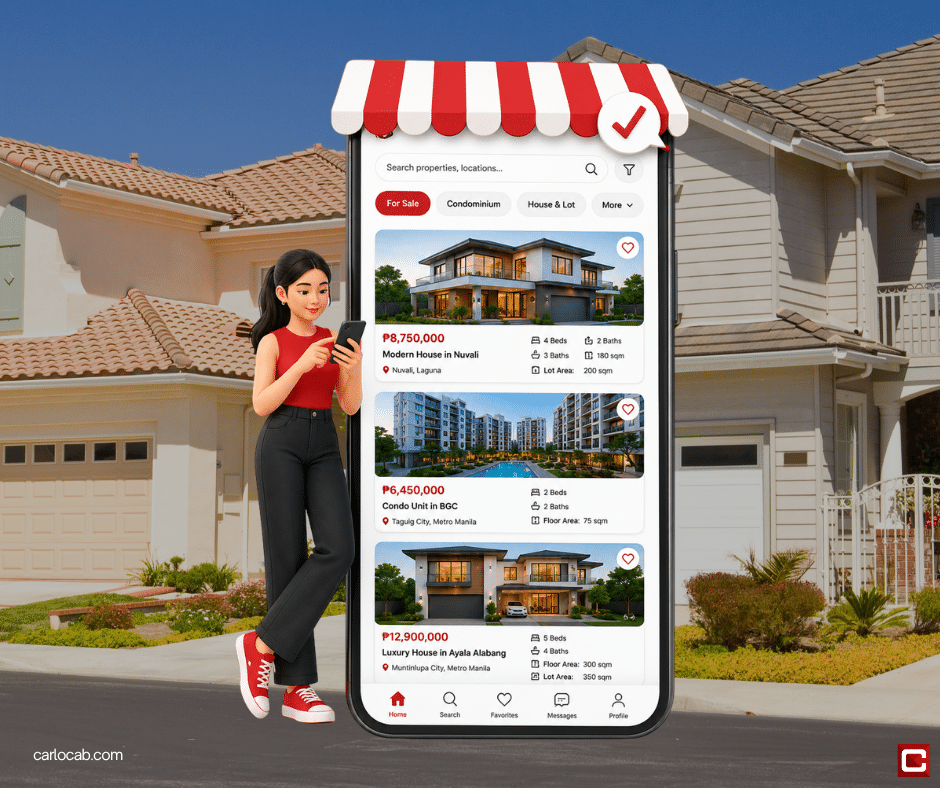
A website is the core of any real estate business’s online presence. It’s the one digital asset a brokerage, agency or realtor has complete control over. A good real estate website should clearly display available properties and services, build trust through professional design and content, and guide visitors to make bookings, view properties or schedule consultations.
A well-structured website isn’t just a source of information. It’s a 24/7 salesperson. It helps buyers, sellers and investors understand the business, search listings, compare options and decide whether to engage further.
✔ Search Engine Visibility Through SEO
Search Engine Optimisation (SEO) is the practice of improving a website so it ranks higher in search engines like Google. SEO for real estate businesses helps agencies and agents get noticed when people search for properties, realtors, or real estate services in certain locations.
Unlike paid ads, SEO focuses on organic visibility. This means traffic is earned over time rather than purchased. A solid real estate SEO strategy builds long-term credibility, brings in qualified property leads and reduces reliance on ad spends.
✔ Social Media Presence and Engagement
Social media platforms like Facebook, Instagram, LinkedIn, and TikTok enable real estate companies to communicate directly with buyers, sellers, and investors. For realtors and agencies, being active on social media helps them stay visible and relevant in their target market.
In addition to listing properties, social media allows real estate businesses to promote properties, distribute market information, educate audiences and engage with prospective clients in real time.
✔ Paid Advertising for Visibility and Speed
Digital ads can include Google Ads and Meta Ads (which refer to Facebook and Instagram). The advantage of digital ads is that they provide quick access to potential customers. SEO will give them visibility over time, whereas digital ads will provide them with instant leads. Real estate firms use digital ads to promote their property listings, open houses, services, etc.
✔ Content Creation and Video Marketing
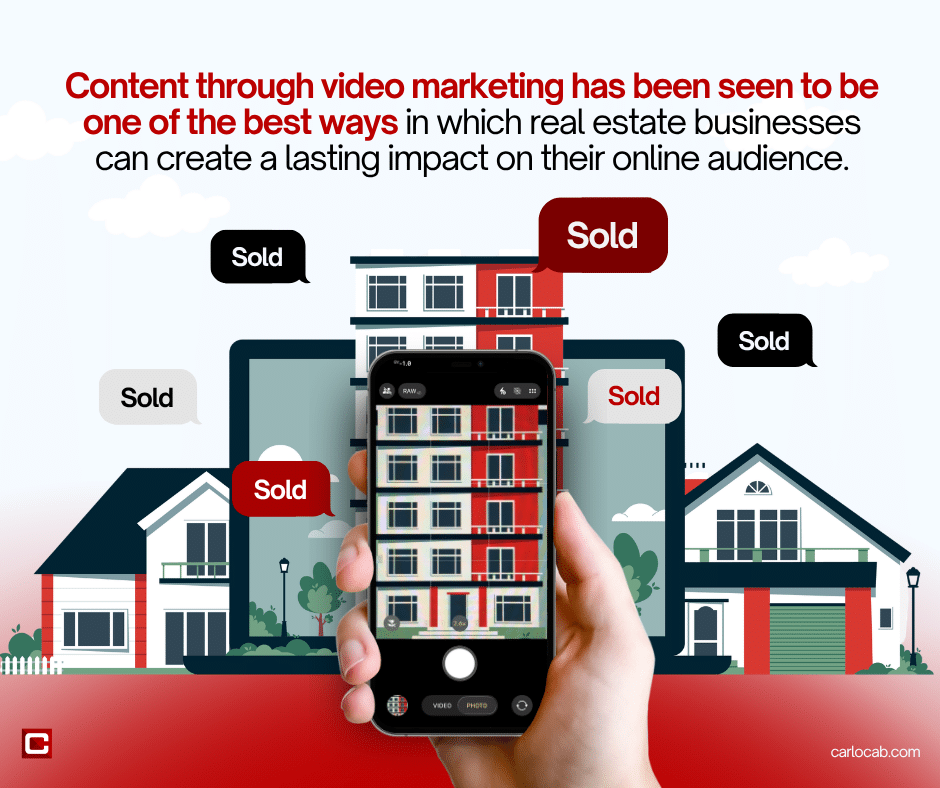
Content through video marketing has been seen to be one of the best ways in which real estate businesses can create a lasting impact on their online audience. Real estate agents or companies can use video content to highlight different properties, offer virtual tours, connect with clients emotionally, demonstrate what they do, and create a credible image. Video marketing is very useful in terms of increasing website engagement, social media interaction, and advertisements.
✔ Virtual Assistance and Operational Support
Virtual assistants allow real estate businesses to handle different administrative and repetitive tasks that are necessary in maintaining an online presence. These may include managing website content and information on listings.
By delegating such responsibilities to a virtual assistant, real estate businesses will have more time to engage directly with clients and focus on sales and growth of the company.
Benefits of Building a Strong Online Presence
Increased Brand Awareness
The presence of an online marketing strategy allows the brand to become visible to many people through different means. Be it through the listing of properties, through search engine listings, through social media sites, or through advertising on different online platforms, greater visibility will ensure that real estate companies are not forgotten.
Higher Customer Trust and Credibility
Potential clients prefer working with real estate organizations whose presence online is professional and credible. This is achieved through having a website, through having active social media pages, through the listing of properties, and through positive feedback from previous clients.
More Qualified Leads and Sales Opportunities
The creation of an online presence will lead to prospects reaching out who already have an interest in looking at properties or property-related services. This is the reason why such prospects will have higher chances of becoming quality leads since their intentions have already been set.
Competitive Advantage in Any Industry
Companies operating within the real estate industry that make use of digital marketing techniques will automatically stand above those that do not. In the very competitive world of real estate, it will be hard to beat them without doing so.
Step-by-Step Guide to Building a Strong Online Presence
Step 1: Define Your Brand Identity
Before starting any of the steps listed, a real estate company needs to create its brand identity, including the overall mission, target audience, tone, and style. Having a well-defined and consistent image will make your agency more recognizable in this competitive niche.
Step 2: Build a Professional Website
A real estate website needs to be fast, mobile-friendly, and easy to use for visitors. Such websites often have several essential pages, including property listing, homepage, “About Us” page, Services page, and Contact page. The main idea here is to create something that is easily understandable by visitors; thus, it will be evident what kind of properties or services you offer and how to reach you.
Step 3: Optimize for Search Engines (SEO)
In order to optimize your real estate website, you will need to identify which types of searches the clients perform to look for similar businesses or properties. For example, “houses for sale,” “apartments for rent,” or “real estate agent.” Next, you should use these keywords for listing, blog posts, and other parts of the website.
Step 4: Establish Social Media Channels
The social media channels chosen should be in accordance with the audience to which one markets. The most popular choices would include Facebook, Instagram, TikTok, and LinkedIn. Regular posting is important. Effective content marketing would involve showcasing properties, updates in the real estate market, property tours, educating posts, and success stories from clients.
Step 5: Use Paid Ads Strategically
Advertising is an effective tool only if there is a set goal behind the advertisements, such as promoting the property listings or attracting leads from prospective buyers. This may involve advertising on social media platforms such as Google Ads and Meta Ads by targeting people according to their location and interests.
Step 6: Create Video and Visual Content
Videos are essential in real estate marketing since one can virtually tour and showcase the property along with the area it belongs to. Videos simplify the information about the property and make a more emotional connection with prospective buyers. Even short videos that answer the frequently asked questions in real estate are helpful.
Step 7: Streamline Operations With Virtual Assistants
Virtual assistants play an important role in ensuring uniformity within digital marketing strategies. Their contribution ensures that all activities such as content creation, answering queries, and lead management are carried out efficiently. This, in turn, helps companies scale up their operations without overburdening their staff. In fact, the pool of freelancers engaged in virtual assistance is expanding each year, growing at a rate of 19%.
Common Mistakes Businesses Make With Their Online Presence
Relying Only on Social Media Instead Of A Website And SEO
There are a number of real estate firms that solely rely on the use of social media platforms as compared to using websites and SEO. Such organizations become vulnerable in case of changes made to the algorithms of these social media platforms. Without having their own website, they cannot be searched on Google, which would deprive them from possible leads.
Inconsistent Branding Across Different Platforms
A lack of brand consistency when it comes to marketing strategies via website, listings, and other social media platforms makes it very hard to establish credibility and trust. After all, real estate relies a lot on building trust between parties.
Over-Reliance On Paid Ads Without Organic Growth
There are some real estate firms that solely rely on advertising for lead generation. However, since such an activity depends greatly on funding, once its source stops, the advertising efforts come to an end.
Poor Website Design And User Experience
Slow website performance and poor user experience when browsing through listings and contacting agents are not appreciated by clients.
FAQs
How to measure online presence?
Measuring online presence means checking how visible your business is online. You can look at website traffic, search rankings, social media engagement, and how often people find your brand on search engines. Tools like Google Analytics and social media insights show how many people visit your pages and what they do there.
How to build an online presence?
Building an online presence starts with a strong website that clearly explains your business. Then you improve visibility using SEO so people can find you on Google. Social media helps you connect with your audience and share updates, while paid ads can boost visibility faster.
How to protect online presence?
Protecting your online presence means keeping your website, accounts, and brand safe. Use strong passwords and security features like two-factor authentication. Keep your website updated and monitor reviews or mentions of your business online.
Build a Strong Online Presence That Drives Real Growth
Real estate requires a strong online presence and visibility, trust and long term success. Clients want to quickly find listings, easily compare options and trust what they see online before making decisions.
Real estate companies that invest in website design, SEO, social media, ads, virtual assistance and video content create a comprehensive digital system that generates consistent leads and growth.
For real estate and other industries, Carl Ocab Digital Marketing Inc. (CODM) offers integrated digital marketing solutions to help businesses establish and expand a comprehensive online presence when they want to enhance their digital presence.
Contact Carl Ocab Digital Marketing Inc. to get started and explore the right strategy for your business growth.